The Growth Mindset for Kids: Why 'Yet' Changes Everything
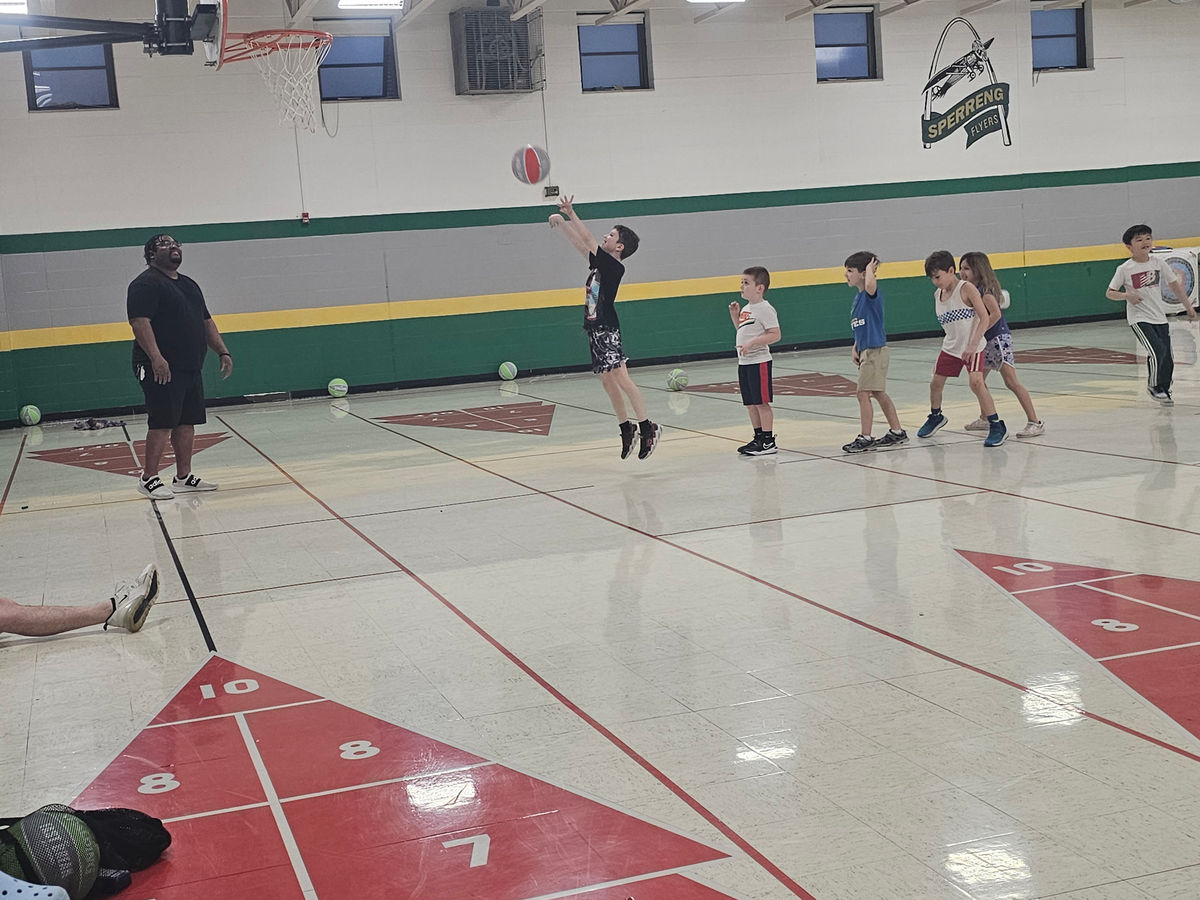
Walk into any Rec Academy program and you'll hear our coaches say one word more than any other: yet.
"I can't do this" becomes "I can't do this — yet." "I'm not good at it" becomes "I'm not good at it — yet." That tiny three-letter add-on is the foundation of what psychologists call a growth mindset, and it's the single most important mental tool we teach the kids in our camps, clinics, clubs, and before & after school care.
What is a growth mindset?
Researcher Carol Dweck coined the term to describe the belief that abilities can be developed through effort, strategy, and learning. The opposite — a fixed mindset — assumes you're either born with talent or you're not. Kids with a growth mindset try harder, recover from setbacks faster, and improve at noticeably higher rates than kids who believe their abilities are locked in.
Why it matters for youth sports, school, and friendships
When a child believes they can grow, struggle stops being a sign they're bad at something. It becomes information. A missed layup is a chance to fix footwork. A blown-up game of tag is a chance to practice listening. A tough math test isn't proof they're "not a math kid" — it's just where they are today.
This is why a growth mindset compounds. The kid who learns to push through a frustrating drill at basketball clinic learns to push through a frustrating chapter book. The kid who debriefs after a tough team game learns to debrief after a tough friendship moment.
How we build it in every session
Growth mindset isn't a poster on the wall — it's a practice. Three things we do that you can do at home:
1. We praise effort and strategy, not innate talent. "You stayed with that drill" lands very differently than "you're a natural." 2. We end every activity with a quick debrief. What went well? What was hard? What will you try next time? Reflection turns experience into skill. 3. We don't rescue kids from struggle. We coach them through it. When two teammates clash, that's the lesson — not an interruption to the lesson.
The payoff
Kids who internalize this mindset don't just become better athletes or students. They become better problem solvers, communicators, and teammates — the soft skills that show up in school, on the field, and at the dinner table.
Want to see it in action? Find a Rec Academy program near you and watch your child catch the bug.