How to Find the Right Summer Day Camp for Your Child
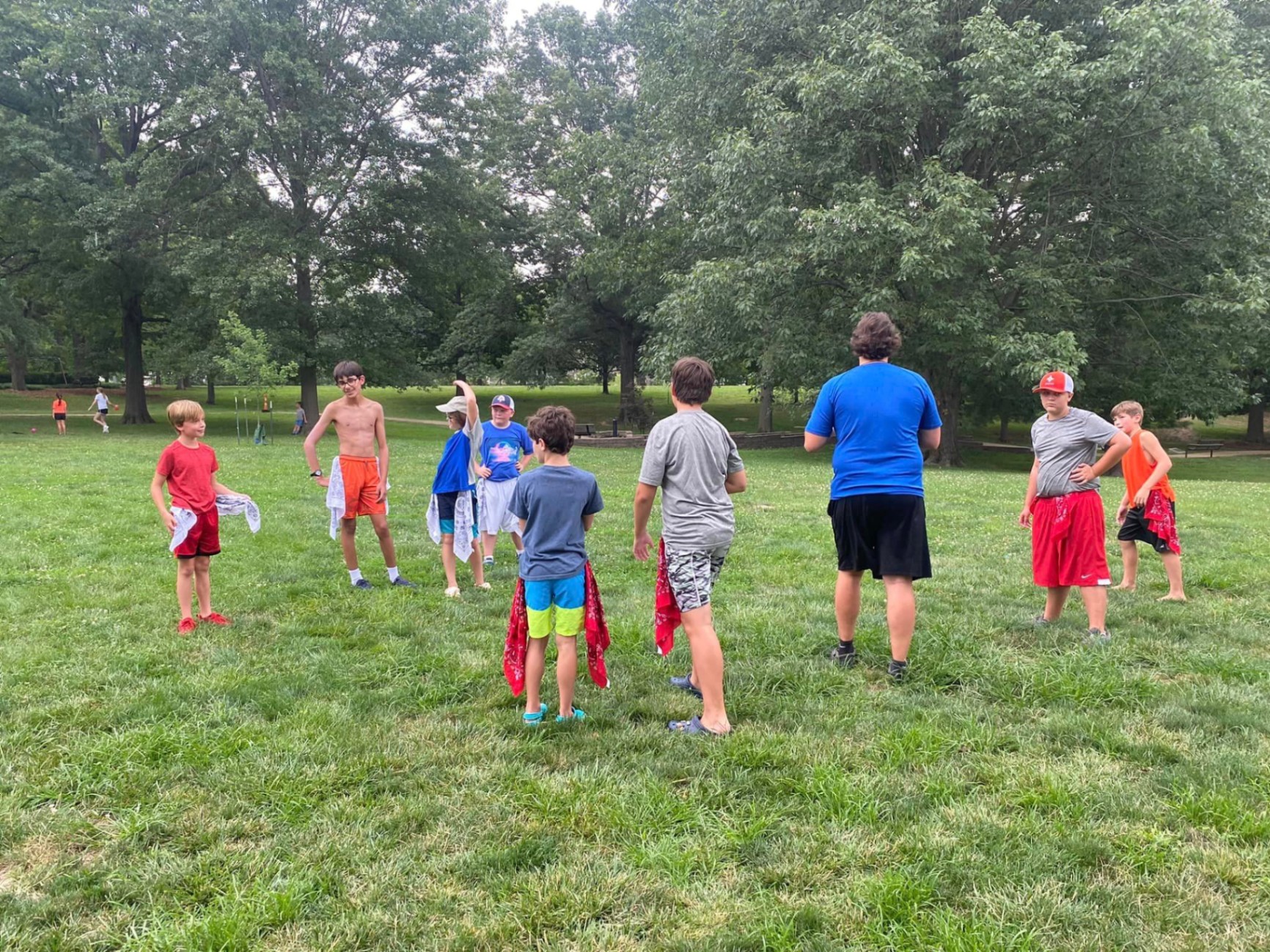
Every summer, parents across the country face the same question: "Where do I send my kid for camp this year?" From elementary schools to local universities, park districts to private organizations, there''s no shortage of programs offering "fun-filled summer experiences." But not all camps are created equal — and finding the right one takes a little strategy.
Where Camps Typically Happen
- Public School Districts & Elementary Schools — Often use existing facilities and gym spaces to run community programs. - Universities & Colleges — Some offer specialty or STEM-based camps for older children. - Park Districts & Rec Centers — Great for affordability and variety, but staffing and programming can vary. - Private Camp Providers — Often theme-based, mobile, or hosted out of rented spaces. These require the most scrutiny since oversight can be limited.
Let Your Child Help Choose
You know your child best — but giving them a say in where they''ll spend their summer goes a long way toward setting everyone up for success. Involving your child in the decision-making:
- Gives them ownership over their summer - Makes motivation easier when the mornings hit - Helps avoid mid-summer "burnout" or camp refusal
Many parents find success by mixing it up — letting their kids try different themed camps each week (sports, art, STEM, outdoor adventure) to keep things fresh. Just be careful not to confuse a "theme" for a solid camp experience.
Just because a camp advertises "Under the Sea Week," "Superhero Week," or "Jungle Safari" doesn''t mean it''s engaging, enriching, or even organized. Sometimes those themes are a smokescreen for bad programming. Always follow up with real questions about staff training, safety procedures, behavior management, and communication policies.
Red Flags You Should Never Ignore
- Vague program descriptions ("fun-filled days" ≠ curriculum) - Lack of communication before or after registration - No refund or cancellation policy - No clear plan for managing behavior - Unclear staff credentials or training requirements - 16- or 17-year-old staff with no experience supervising kids - Inability to tell you what a "typical day" looks like
If the camp can''t clearly explain what your child will experience or who''s in charge — keep looking.
What You Do Want in a Camp
- A structured daily schedule with room for creativity and play - Trained, background-checked, CPR-certified staff - Clear, professional communication - Systems for behavior support, emergency response, and safety - Social growth, emotional development, and skill-building through a proven methodology - Age-appropriate independence and positive peer interaction
Final Thought
Summer should be a time your child remembers — for the right reasons. The right camp can inspire, challenge, and help them grow. You''re not just buying childcare. You''re choosing an experience. Take the time. Ask the questions. Your kid''s summer is worth it.